Related Blogs
As a leading molecular sieve manufacturer, we share the latest industry news and insights on adsorbents like molecular sieves, sieve powder, and activated alumina.
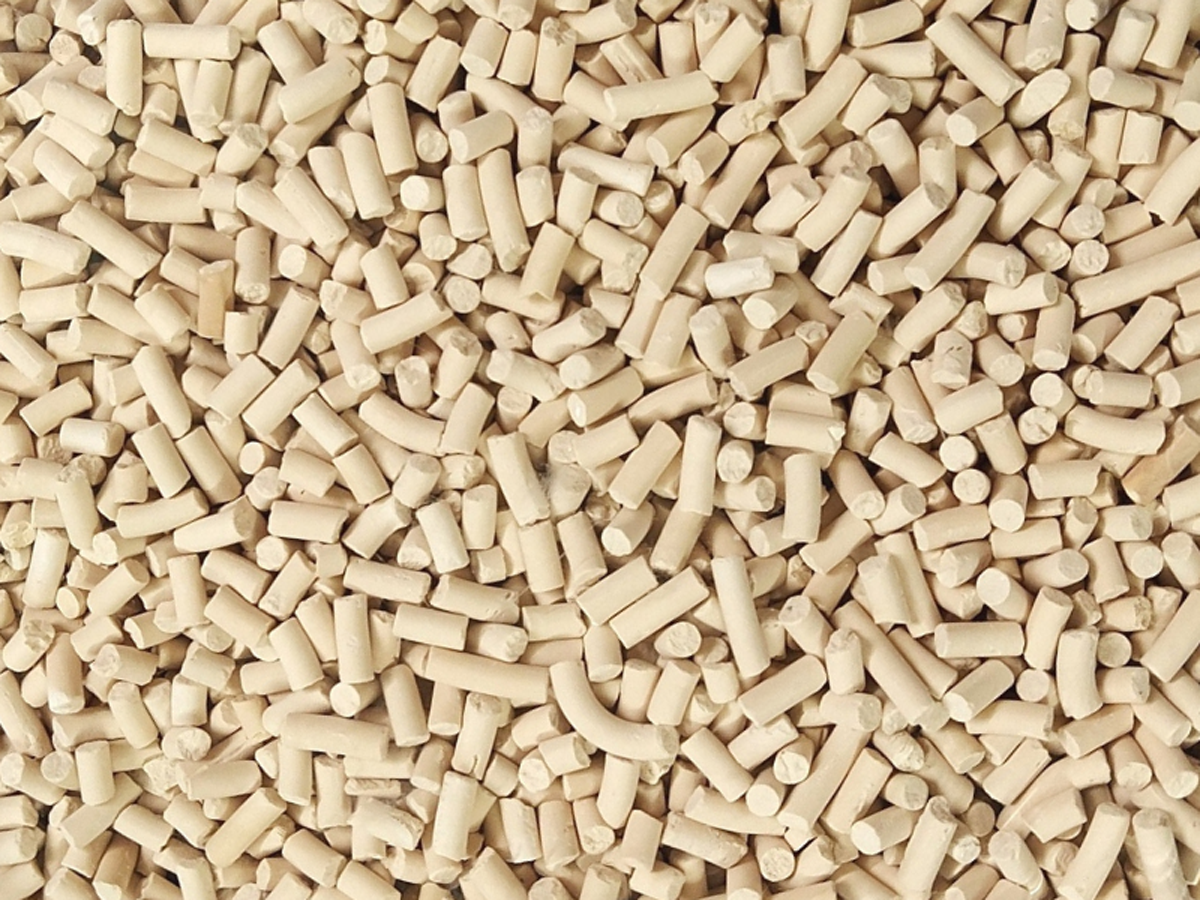
Gas separation is a vital industrial process used in petrochemicals, natural gas treatment, air separation, and environmental protection. Among the various technologies, molecular sieves play an irreplaceable role due to their unique structure and performance. This article explores their key functions and future potential in gas separation.
Molecular sieves are crystalline aluminosilicates with uniform micropores (typically 0.3–2.0 nm), offering the following features:
Molecular sieves separate gas mixtures by allowing only smaller molecules to enter their pores:
The polar surface of molecular sieves attracts polar and unsaturated molecules:
Molecular sieves are the core of PSA systems, which use pressure cycling to achieve:
Compared with cryogenic distillation, molecular sieve-based separation offers:
To meet growing demands, molecular sieve technology continues to evolve:
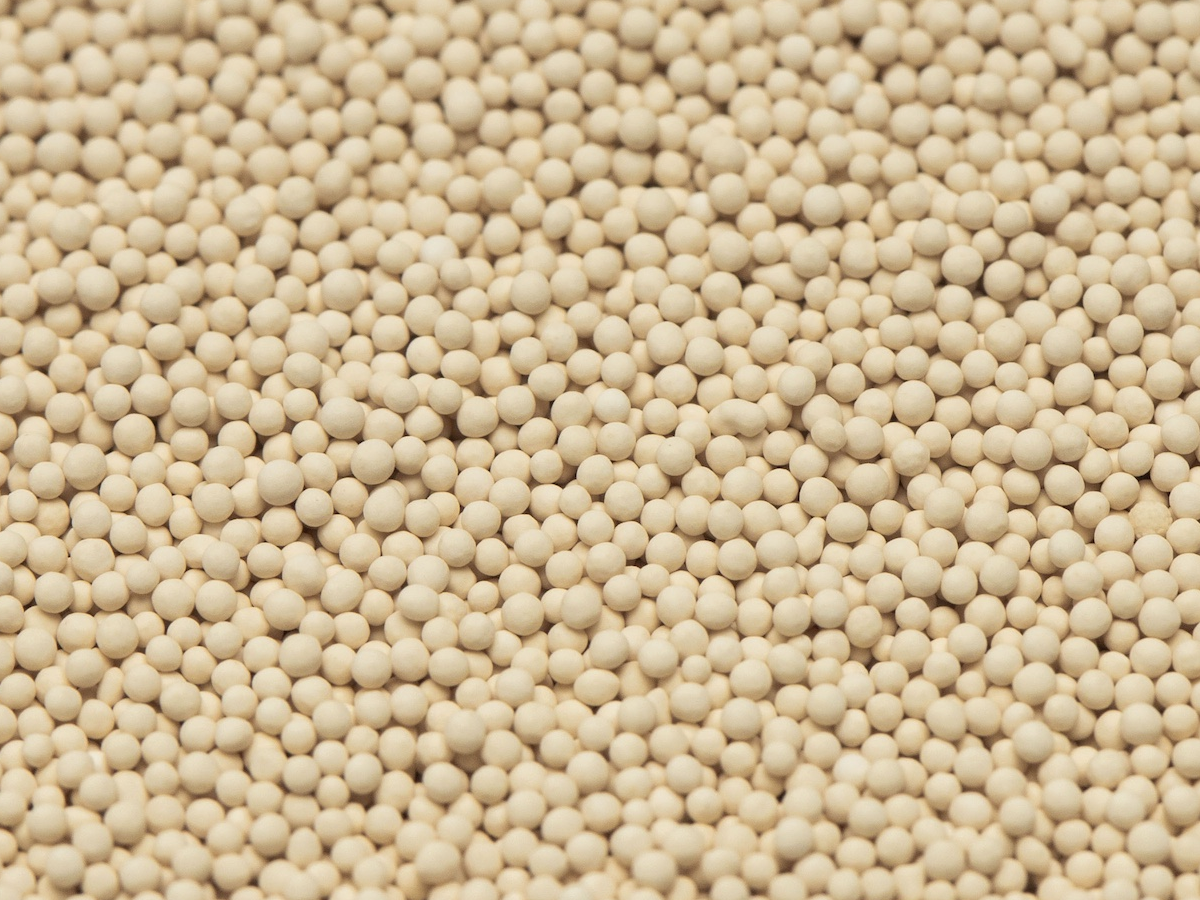
Molecular sieves will see broader use as industries shift toward greener technologies:
Thanks to their tunable pore structures, high selectivity, and stability, molecular sieves are essential in gas separation. As new materials and techniques emerge, they will play an even larger role in energy, environmental, and chemical sectors. Ongoing research should focus on performance improvement, cost reduction, and large-scale applications to meet rising industrial demands and support sustainable, low-carbon development.
As a leading molecular sieve manufacturer, we share the latest industry news and insights on adsorbents like molecular sieves, sieve powder, and activated alumina.