Related Blogs
As a leading molecular sieve manufacturer, we share the latest industry news and insights on adsorbents like molecular sieves, sieve powder, and activated alumina.
Adsorption separation is widely used in gas and liquid purification, drying, and separation across industries like chemicals, petroleum, natural gas, and environmental protection. Molecular sieves are the preferred adsorbent thanks to their high efficiency and selectivity. This article explains how they work and why they’re ideal for industrial use.
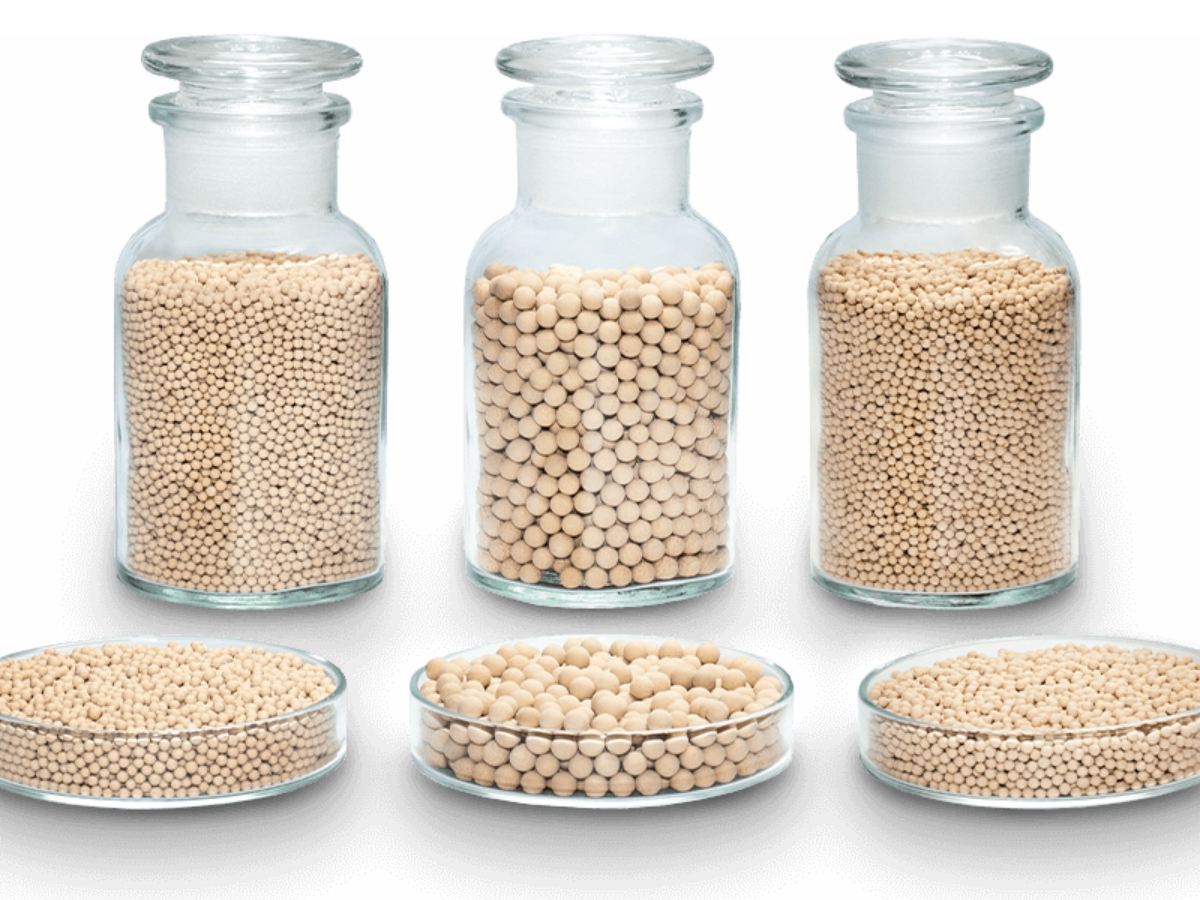
Molecular sieves are crystalline aluminosilicates with uniform micropores (0.3–1.0 nm), enabling selective adsorption based on molecular size and polarity. Common types include:
3A (0.3 nm): dries ethanol, unsaturated hydrocarbons
4A (0.4 nm): used for deep drying of gases and liquids
5A (0.5 nm): separates normal alkanes
13X (0.9–1.0 nm): removes CO₂, H₂S from gas streams
Their chemical formula:
Mₓ/n[(AlO₂)ₓ(SiO₂)ᵧ]·mH₂O,
where M is an exchangeable cation (Na⁺, K⁺, Ca²⁺), and x/y is the Al/Si ratio.
Molecular sieves can be reused after desorption via heating (200–350°C) or pressure reduction, making them cost-effective and sustainable.
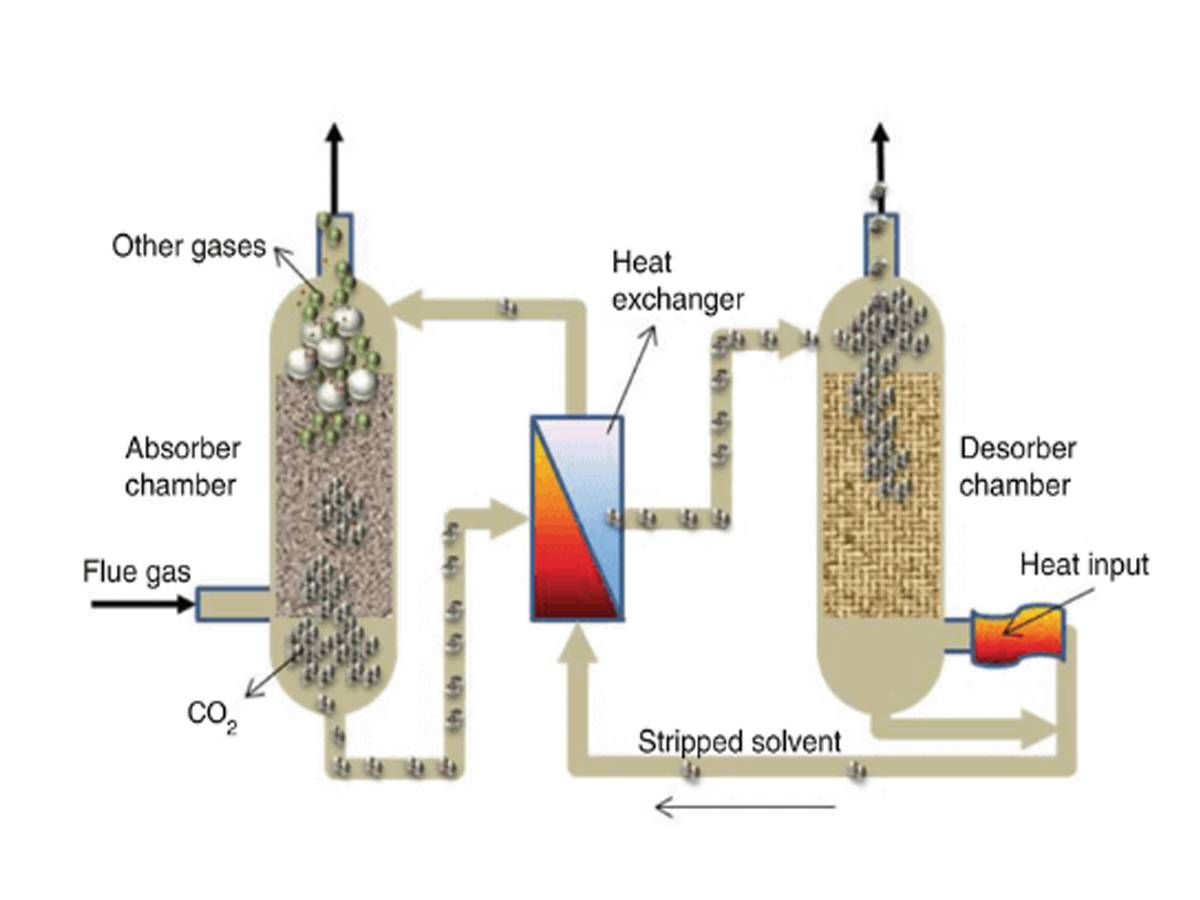
With high capacity, precision, deep drying, renewability, and stability, molecular sieves are the leading adsorbent for industrial use. As materials and technologies evolve, their role in energy, healthcare, and environmental applications will keep growing—driving next-generation industrial adsorption solutions.
As a leading molecular sieve manufacturer, we share the latest industry news and insights on adsorbents like molecular sieves, sieve powder, and activated alumina.