Related Blogs
As a leading molecular sieve manufacturer, we share the latest industry news and insights on adsorbents like molecular sieves, sieve powder, and activated alumina.
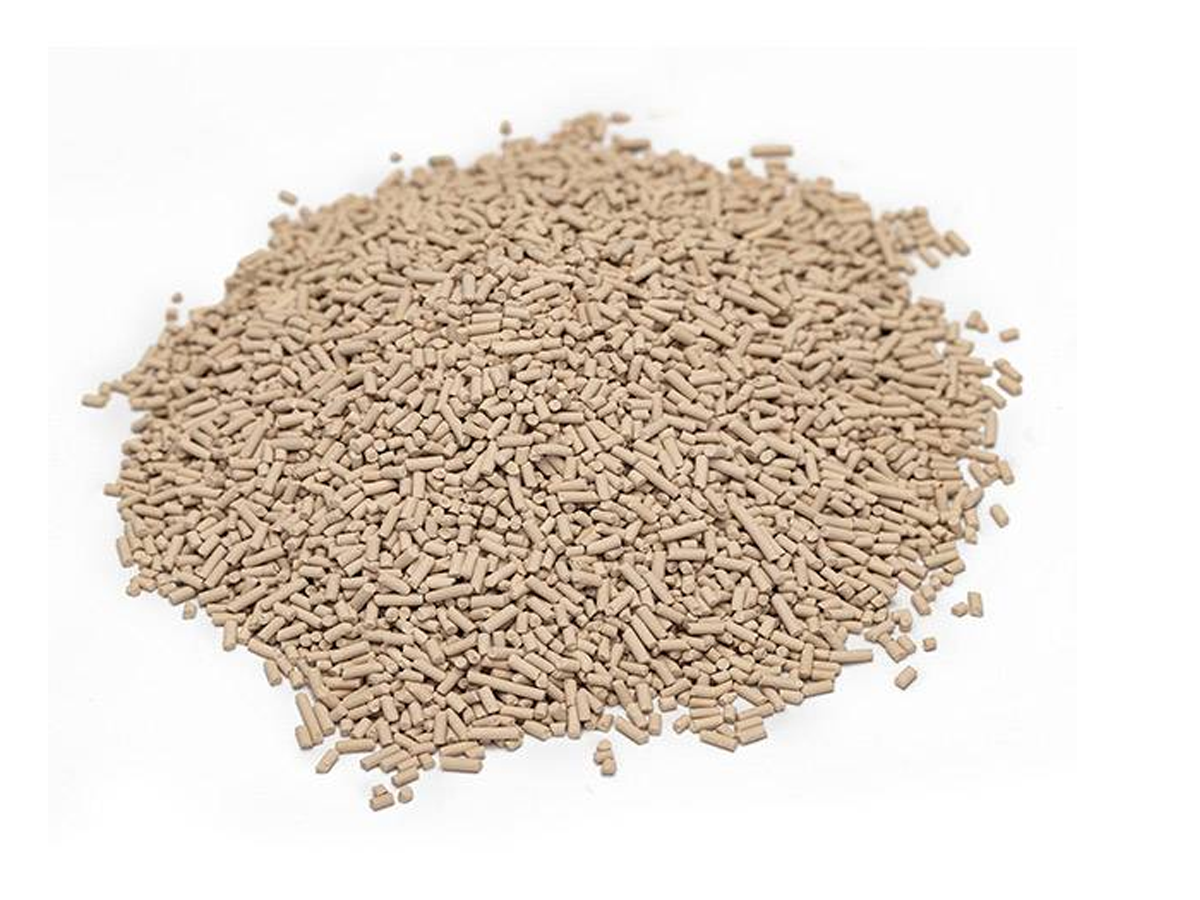
Molecular sieves are microporous adsorbents used widely in chemical, petroleum, environmental, and medical industries. Their precise pore size and selective adsorption capabilities make them essential for separation, purification, and drying processes.
This guide breaks down five common molecular sieve types—3A, 4A, 5A, 13X, and NaY—highlighting their structure, properties, and key industrial uses.
General formula:
Type Pore Size (nm) Cation Main Adsorbates
3A 0.3 K⁺ H₂O, NH₃
4A 0.4 Na⁺ H₂O, CO₂, CH₄
5A 0.5 Ca²⁺ Normal alkanes (C₃–C₁₄)
13X 0.9–1.0 Na⁺ CO₂, H₂S, benzene
NaY 0.74 Na⁺ Heavy hydrocarbons, VOCs
Requirement Recommended Sieve
Deep drying 3A (small molecules), 4A (general)
Acid gas removal 13X
Normal paraffin separation 5A
Large molecule adsorption NaY, 13X
High-temperature use NaY (high Si/Al ratio)
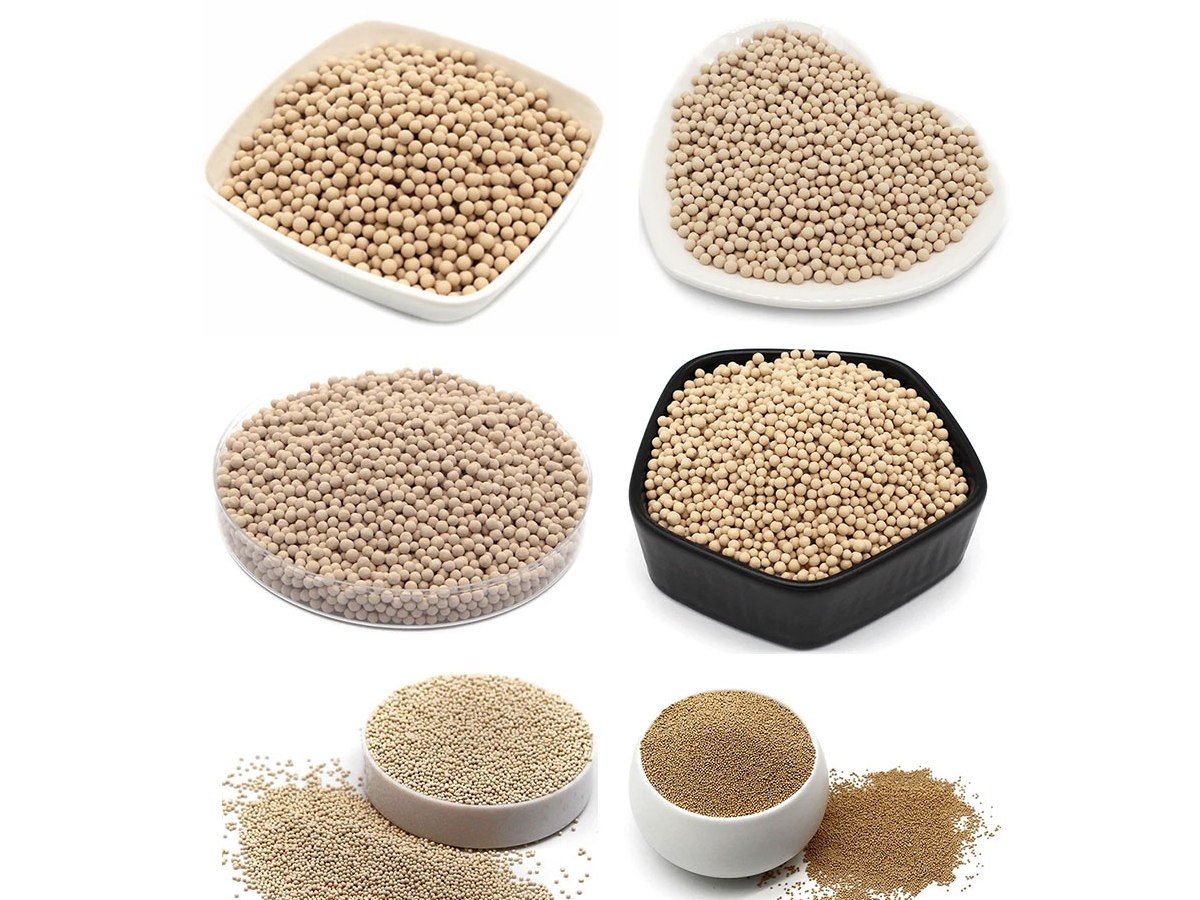
The five common molecular sieves—3A, 4A, 5A, 13X, and NaY—each offer unique pore structures and adsorption properties suited for specific industrial tasks. Choosing the right sieve enhances process efficiency and reduces energy consumption. As materials science advances, molecular sieve applications will continue expanding across industries.
As a leading molecular sieve manufacturer, we share the latest industry news and insights on adsorbents like molecular sieves, sieve powder, and activated alumina.